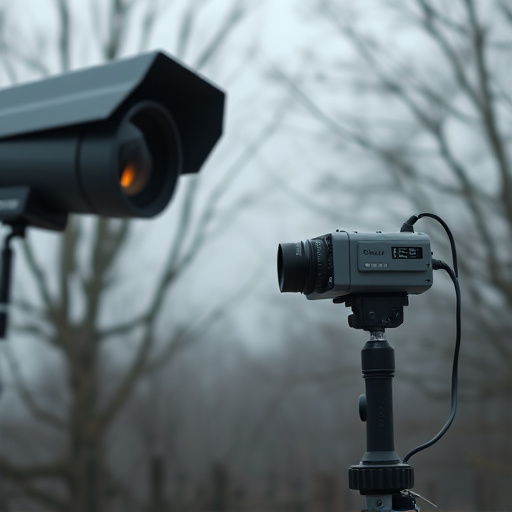
Disguising cameras within everyday objects like pens, rocks, or figurines has become a popular, yet ethically complex approach to surveillance and documentation due to advancements in miniature camera technology. These hidden cameras capture high-quality footage discreetly, appealing to users for home security, evidence gathering, or personal curiosity. Their growing accessibility and versatility highlight their increasing popularity across various applications. However, the practice raises significant privacy concerns and faces legal restrictions, emphasizing the need for responsible and transparent deployment.
Uncover the art of disguising cameras within everyday objects with our comprehensive guide. Learn how to transform regular items into covert recording devices, offering a unique perspective on surveillance. From understanding the technology behind disguised cameras to exploring creative placement techniques, this article covers it all. Discover ethical considerations and legal implications to ensure responsible use. Master the skill of integrating cameras seamlessly into common household objects for effective and discreet monitoring.
- Understanding Disguised Cameras: A Brief Overview
- Choosing the Right Everyday Object for Camera Concealment
- Creative Placement and Setup Techniques
- Ethical Considerations and Legal Implications
Understanding Disguised Cameras: A Brief Overview
Disguised cameras, seamlessly integrated into everyday objects, offer a unique and often subtle approach to surveillance or documentation. This technology allows for discrete observation without raising suspicion, making it an appealing option for various purposes. From tiny spy cameras concealed in pens to hidden recorders inside everyday household items, these innovative devices blur the line between functionality and covert recording.
The concept of disguising cameras in ordinary objects is not new, but advancements in miniature camera technology have made them increasingly accessible and versatile. These hidden cameras can capture high-quality footage while remaining virtually invisible to the naked eye. This has led to a rise in their popularity among individuals seeking discreet surveillance solutions for home security, evidence gathering, or even personal curiosity.
Choosing the Right Everyday Object for Camera Concealment
When it comes to disguising cameras in everyday objects, the key is to select items that blend in naturally with their surroundings. Think about common possessions we interact with daily—a pen, a pencil, or even a small book—and consider how these can be transformed into covert recording devices. The right choice depends on the environment and purpose; for instance, a tiny camera hidden within a pen is ideal for discreet meetings or interviews, while a miniature lens disguised as a button might be more suitable for home security.
Choosing objects that match the setting is crucial for effective camouflage. A fake rock with an integrated camera can be an excellent option for outdoor surveillance, offering both functionality and aesthetic integration. Similarly, everyday accessories like hats, sunglasses, or even keychains with hidden compartments can serve as clever hiding places. The goal is to make the camera nearly invisible, ensuring it captures footage without drawing attention.
Creative Placement and Setup Techniques
When setting up a hidden camera, creative placement is key to making it unnoticeable. Disguising cameras in everyday objects allows for natural and unobtrusive surveillance. For example, a tiny camera can be cleverly hidden inside a decorative figurine or a bookend, seamlessly blending in with the surroundings. Alternatively, attach it to a plant or piece of artwork, taking advantage of people’s tendency to focus on the art itself rather than the technology hidden within.
The setup process involves careful consideration of lighting and angle. Positioning the camera at eye level or slightly below can make it less conspicuous. Using a tripod or adhesive mounts tailored for specific objects ensures stability and proper positioning. Experimenting with different perspectives and distances from the target area will help capture clear footage while maintaining the camera’s concealed status within everyday objects.
Ethical Considerations and Legal Implications
When disguising cameras within everyday objects for surveillance purposes, it’s crucial to navigate a complex landscape of ethical considerations and legal implications. The use of hidden cameras raises significant privacy concerns, as individuals may not be aware they are being recorded. This can infringe upon personal space and the right to privacy, especially if the footage is shared or used without consent. In many jurisdictions, there are strict regulations governing the placement and use of surveillance equipment, particularly when it comes to hiding cameras in everyday items.
The ethical debate around disguising cameras intensifies when considering the context and intent behind their deployment. While they can serve as valuable tools for security, crime prevention, or research, they must be used responsibly and transparently. Users should obtain necessary permissions, inform relevant parties about surveillance activities, and respect data protection laws to ensure that privacy rights are upheld and public trust maintained.
Disguising cameras within everyday objects presents a unique blend of technology and creativity, but it’s crucial to approach this art with ethical considerations. As we’ve explored through this guide, choosing the right object and setting up your camera creatively can yield powerful insights and memories. However, always remember the legal implications and respect privacy whenever using disguised cameras. By understanding these guidelines, you can harness the potential of hidden photography while maintaining integrity and responsible use.